
Rental property renovation covers everything from setting measurable income goals and building a realistic budget to pulling permits, sequencing trades, vetting contractors, and doing a final punch list before releasing payment. Done right, it reduces vacancy, justifies higher rent, and cuts long-term maintenance costs. Done wrong, it bleeds money through rework, permit delays, and over-improvements the local market won’t reward.
Here’s what the process actually looks like, in order:
- Define two or three specific outcomes: rent increase, vacancy reduction, or maintenance savings
- Document current condition with photos before requesting any bids
- Build a bottom-up budget with a contingency consistent with industry recommendations(https://www.procore.com/library/retainage) based on project scale and building age
- Address safety compliance first: smoke detectors, CO alarms, secure locks, functional systems
- Sequence repairs before aesthetic upgrades, and deep cleaning last
- Identify permit triggers early and batch applications where possible
- Tie contractor payments to passed inspection milestones, not calendar dates
How to set renovation goals and build a realistic budget
Rental renovation starts with outcomes, not design choices. Pick two or three measurable targets: a specific rent increase, a target vacancy rate, or a maintenance cost reduction. Vague goals produce vague scopes, which produce budget overruns.
Once goals are set, walk the property and document everything with photos. Note health and safety risks, system conditions (roof, HVAC, plumbing, electrical), unit finishes, curb appeal, and energy efficiency. That documentation drives accurate bids and prevents scope creep later.
Budget in three columns: scope item, unit cost, and contingency. Industry guidance calls for 10% on light projects and 20% for heavy capital expenditure or older buildings. A a contingency in the range typically used for these projects is the standard for projects where hidden issues like rot or outdated wiring are likely. Include soft costs such as permit fees, inspections, design time, and any tenant accommodations or rent credits during work.
Order long-lead materials (cabinets, appliances, windows) the same week you submit for permits. A six-week wait on cabinetry can stall an otherwise on-schedule project.
- Set measurable goals tied to rent, vacancy, or maintenance KPIs
- Document current condition with photos before requesting bids
- Use a contingency appropriate for the complexity and age of the building
- Include soft costs: permits, inspections, design fees, tenant accommodations
- Order long-lead materials at permit submission, not after approval
Pro Tip: Rank budget line items by expected rent lift and vacancy risk. Kitchens and bathrooms move the needle on rent. Invisible repairs protect your asset but rarely justify a higher asking price on their own.
What safety and code compliance require during renovations
Safety compliance is the non-negotiable first layer of any rental renovation checklist. Smoke detectors, CO alarms, secure locks, and fully functional HVAC, plumbing, and electrical systems must be addressed before any cosmetic work begins.
Major system upgrades can trigger code compliance requirements that extend well beyond the original scope. Replacing a water heater, upgrading an electrical panel, adding outlets, or moving walls can each require bringing connected systems up to current building codes. Identifying these “code triggers” during scope planning avoids expensive surprises mid-project.
Engage your local building department early. Create a simple permit matrix by project type and municipality, tracking submission dates, fees, and review windows. Batch similar permits across multiple units when possible to save time. For occupied units, provide written notices covering work hours, access windows, and safety instructions before any work starts.
Never release final payment before passing all inspections and collecting lien waivers from the general contractor and every subcontractor.
- Test smoke detectors and CO alarms; replace batteries or units as needed
- Rekey all locks between tenants
- Verify handrails, outlets, and electrical panels meet current code
- Identify code triggers in scope before finalizing bids
- Submit permit applications early and batch where possible
- Provide written tenant notices for all occupied-unit work
- Withhold final payment until inspections pass and lien waivers are in hand
Which repairs and upgrades actually move the needle on rent
Safety and functional repairs come first. After those are resolved, the upgrades that consistently justify higher rent are kitchens, bathrooms, and curb appeal. Visible improvements like fresh paint, updated fixtures, and clean landscaping affect what prospective tenants expect to pay before they even walk through the door.
Focusing renovations on tenant liveability and market demand rather than owner preferences produces sustainable rent increases. Neutral finishes, durable materials like luxury vinyl plank flooring and quartz countertops, and energy-efficient upgrades (LED lighting, smart thermostats, low-flow fixtures) appeal to the broadest pool of renters and hold up through multiple tenancy cycles.
Avoid over-improving beyond what comparable units in your market support. A high-end kitchen renovation in a mid-tier rental market rarely returns its full cost in rent. Check what renovated competing units are actually renting for before committing to premium finishes.
Deep cleaning happens last, after every repair and upgrade is complete. Cleaning before work finishes wastes money and misses the first-impression opportunity that photos and walkthroughs depend on.
- Fresh paint and updated lighting: highest impact per dollar spent
- Kitchen refreshes: cabinet painting, modern hardware, mid-range appliances, durable counters
- Bathroom upgrades: new vanity, water-saving fixtures, fresh tile or surround panels
- Curb appeal: exterior paint touch-ups, pressure washing, clean signage, secure mail areas
- Energy upgrades: LED lighting, smart thermostats, aerators
- Deep cleaning: always the final step, never before repairs are done
Project management best practices that keep renovations on track
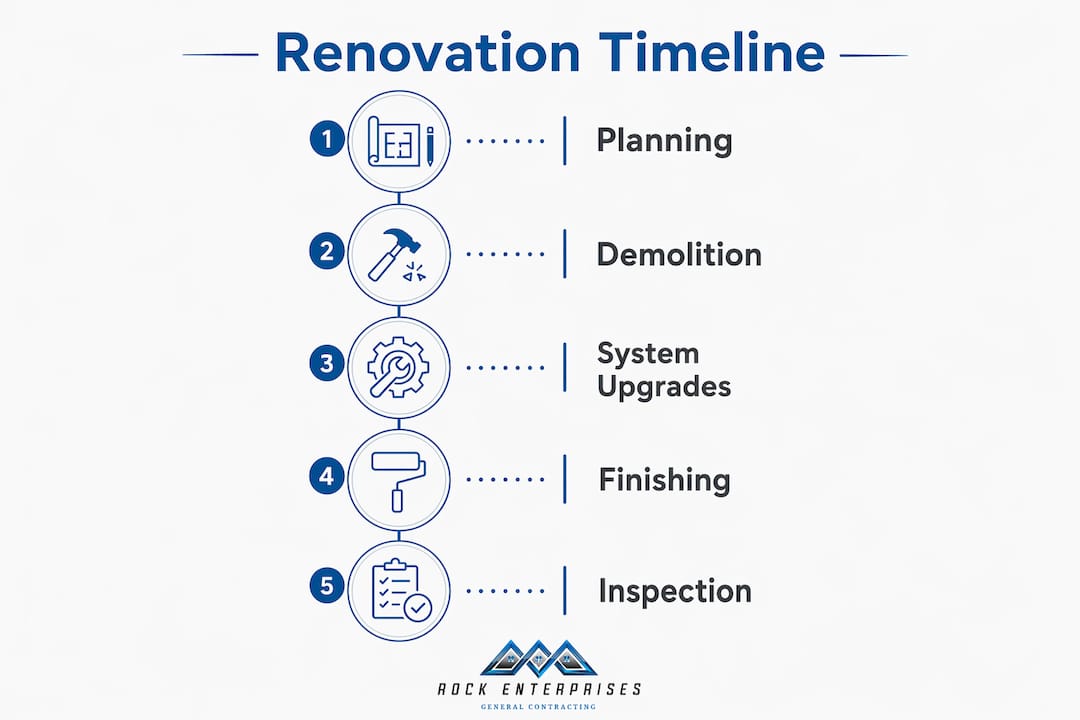
The correct build sequence is: demolition, framing, rough-in trades (HVAC first because ducts are bulkiest, then plumbing, then electrical), rough inspections, insulation, drywall, then finishes. Skipping steps or reversing the order forces rework. The classic example is pulling up new flooring to reach wiring that should have been roughed in first.
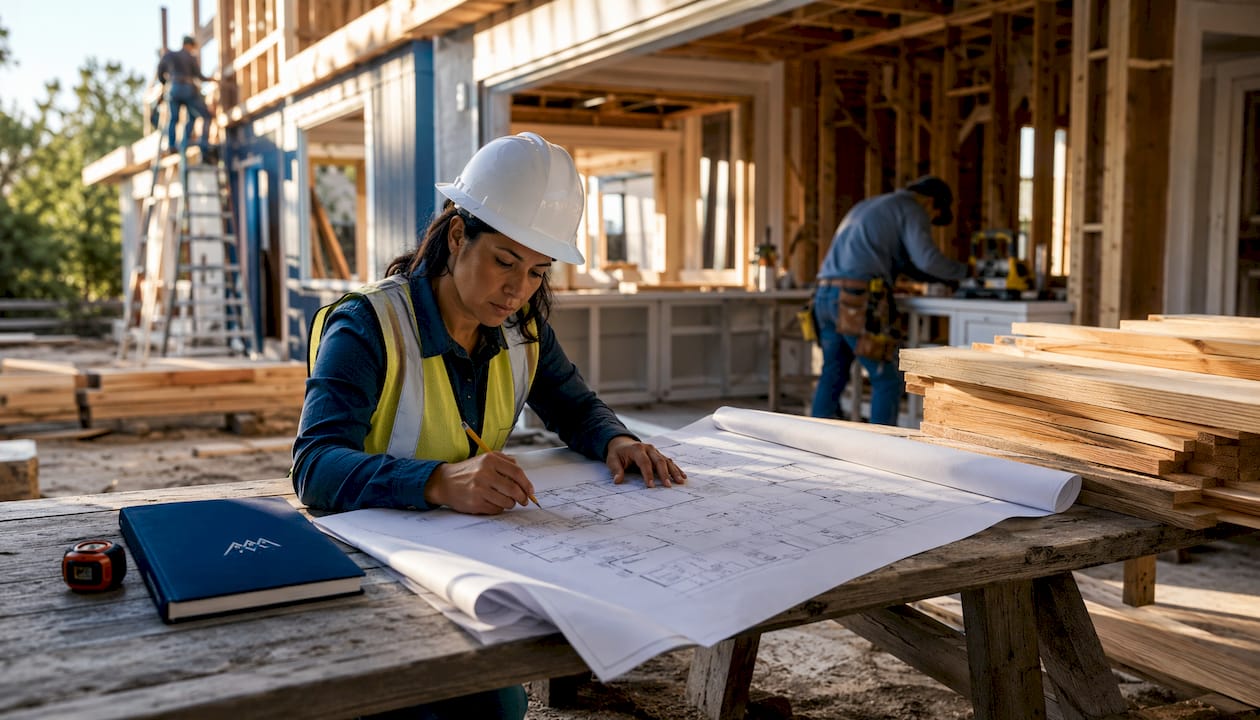
Tie progress payments to passed inspection milestones, never to time elapsed or “almost done” status. This single practice does more for quality control than any contract clause. Track the schedule weekly, note blockers, and resequence downstream tasks immediately when something slips.
Retain 10–20% of contract value until closeout is genuinely complete. Final payment requires a completed punch list, passed final inspection, and signed lien waivers from every contractor and supplier. For a deeper look at renovation inspection milestones, the process is more detailed than most owners expect.
Pro Tip: Assign one person, whether the owner or a dedicated representative, to coordinate trades, gate payments, and communicate with tenants. Projects without a single point of accountability drift.
- Follow inside-out sequencing: demo → framing → rough-ins → inspections → insulation → drywall → finishes
- Gate payments to inspection milestones, not calendar progress
- Track schedule weekly and resequence immediately when tasks slip
- Retain a significant portion of contract value until punch list and lien waivers are complete
- Document every change order with cost and schedule impact before approving
A realistic timeline for each renovation phase
Understanding the renovation timeline prevents the most common scheduling mistakes. Here’s how the phases typically break down for a rental unit:
| Phase | Typical Duration |
|---|---|
| Planning, scope, and budget finalization | — |
| Permit submission and approval | — |
| Long-lead material ordering | Concurrent with permitting |
| Demolition | — |
| Rough-in trades (HVAC, plumbing, electrical) | — |
| Rough inspections | — per trade |
| Insulation and drywall | — |
| Finishes (flooring, cabinets, paint, fixtures) | — |
| Punch list and final inspection | — |
| Deep cleaning and photo shoot | — |
A standard turnover with paint and flooring typically runs 10–14 days. A kitchen or bathroom renovation adds 3–4 weeks. Build a schedule buffer for permit review delays and long-lead material lead times, both of which routinely extend projects that looked tight on paper.
How to select and vet contractors for rental renovations
Get bids from at least three licensed, insured general contractors. A low bid is a warning sign, not a win. It usually means the contractor missed scope items, plans to use lower-quality labor, or will come back with change orders that close the gap.
Check references and review past rental or investment property work specifically. Residential contractors who primarily work on owner-occupied homes sometimes underestimate the durability requirements and tenant-use context of rental units. Verify proof of liability insurance and workers’ compensation coverage before signing anything.
Your written contract must include a detailed scope of work, an itemized payment schedule tied to milestones, a timeline with clear completion dates, and a defined change-order process. Verbal agreements on scope changes cost money. A solid renovation contracts checklist covers every clause worth including before work starts.
Managing tenant occupancy and communication during renovations
Vacant units are easier and faster to renovate. When that’s not possible, the communication plan matters as much as the construction plan. Provide written notices before work begins, covering work hours, access windows, noise expectations, and a direct contact for questions or concerns.
For disruptive tasks like drywall, flooring, or kitchen gut-outs, consider temporary accommodations or rent credits. Tenants who feel informed and respected are far less likely to break leases or file complaints. Update lease language and showing policies for vacant units so prospective tenants understand the renovation timeline.
Rent adjustment considerations after renovation
Research comparable renovated units in your market before setting a new rent price. The relationship between preparation costs and rent increases follows predictable patterns: visible improvements like fresh paint, updated fixtures, and curb appeal typically justify meaningful monthly rent increases, while invisible repairs protect the asset but rarely move the asking price on their own.
Time your rent adjustment to coincide with the lease renewal or a new tenancy, not mid-lease. Consider seasonality too. Renovating during slower leasing months minimizes vacancy loss, and listing a freshly renovated unit during peak leasing season maximizes your applicant pool and negotiating position.
Rockenterprisecontracting handles the complexity so you don’t have to
Rental renovation involves more moving parts than most property owners anticipate the first time through. Getting the sequence right, managing permits, coordinating trades, and protecting your investment at closeout all require hands-on oversight that generic project management can’t replicate.

Rockenterprisecontracting is a licensed, family-owned general contracting company based in Shrewsbury, NJ, with a 5.0-star rating on Thumbtack and a 100% positive feedback score. The owner personally oversees every project, which means you get direct accountability rather than a rotating cast of project managers. From kitchen remodeling that justifies higher rents to bathroom renovations that deliver strong ROI, the team works across Monmouth and Ocean County with full transparency on pricing and scope. If you’re planning a rental renovation and want a contractor who treats your investment like their own, contact Rockenterprisecontracting for a quote.
Key Takeaways
Rental property renovation succeeds when goals are tied to measurable outcomes, the build sequence is followed without shortcuts, and final payment is withheld until inspections pass and lien waivers are secured.
| Point | Details |
|---|---|
| Set measurable goals first | Define rent increase, vacancy reduction, or maintenance savings before scoping any work. |
| Budget with contingency | Use a contingency appropriate to the project complexity and age. |
| Safety and sequence before aesthetics | Address smoke detectors, locks, and systems first; deep cleaning always comes last. |
| Gate payments to milestones | Tie contractor payments to passed inspections, not calendar progress or “almost done” status. |
| Rockenterprisecontracting | A licensed NJ contractor with a 5.0-star rating that personally oversees rental renovations across Monmouth and Ocean County. |
FAQ
What does rental property renovation involve at a basic level?
It involves setting income-driven goals, budgeting with a contingency consistent with industry recommendations, addressing safety compliance, sequencing repairs before upgrades, managing permits and contractors, and completing a final inspection before releasing payment.
How much contingency should I budget for a rental renovation?
Plan for 10% on light, well-defined projects and 20% for older buildings or any scope with structural unknowns, where hidden issues like rot or outdated wiring are common.
What repairs should I prioritize first?
Safety compliance comes first: smoke detectors, CO alarms, secure locks, and functional systems. Functional repairs follow, then visible upgrades like paint and fixtures. Deep cleaning is always the final step.
When should I adjust rent after a renovation?
Time the increase to a lease renewal or new tenancy. Research comparable renovated units in your market first, and consider listing during peak leasing season to maximize your applicant pool.
How does Rockenterprisecontracting support rental property renovations?
Rockenterprisecontracting provides licensed general contracting services across Monmouth and Ocean County, NJ, with the owner personally overseeing each project and a 5.0-star rating reflecting consistent quality and transparency.